ISO/IEC 17025 Management Through Digital Transformation: Zero Paper, Maximum Efficiency

Running an ISO/IEC 17025 quality management system with physical paperwork and manual filing can quickly become chaotic, especially before audits. When responsibilities depend on individuals and follow-up is manual, the sustainability of accreditation is exposed to unnecessary risk. Moving your quality processes to a digital infrastructure changes the way your laboratory works.

Why should your laboratory use dedicated software?
  • Automated task tracking
    Workflows in the system are assigned automatically to the responsible personnel.
  • Smart reminders
    Recurring actions are tracked on the calendar and critical dates trigger timely notifications.
  • Central document control
    Current procedures and previous revisions are managed digitally with less room for error.
  • Continuous audit readiness
    System discipline reduces the last-minute preparation load before assessments.
Detailed explanation
Full alignment with ISO/IEC 17025:2017 requirements

The software solution is designed as a modular structure covering the latest revision of the standard, from clauses 4 through 8. It helps bring operational processes and quality management together in one place, from sample acceptance through reporting.

Clause-based digital solutions
General and structural requirements (Clauses 4 & 5)
Impartiality and confidentiality declarations are managed through digital approval mechanisms. Forms and procedures are stored in a secure digital archive with revision history.
Resource requirements (Clause 6)
Personnel competence matrices, training plans, deputy assignments, equipment inventory, calibration, maintenance, supplier evaluations, and stock management are all followed through controlled workflows.
Process requirements (Clause 7)
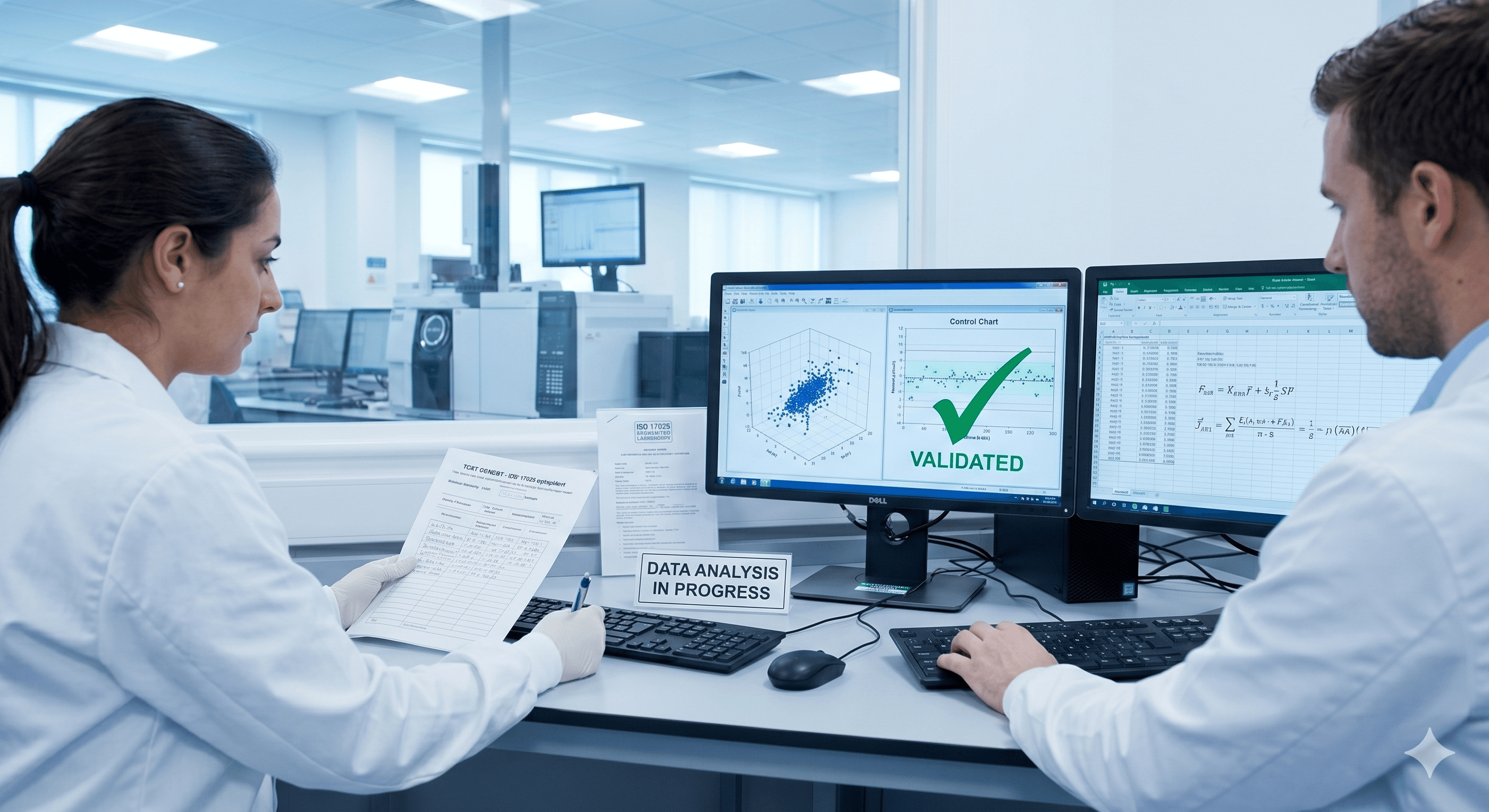
Processes become digital and data entries flow into reports instantly. Quality control plans, complaint handling, and similar workflows are managed through screens designed to reduce errors.
Management system requirements (Clause 8)
Manuals, instructions, and all records are kept in the system in line with a zero-paper approach. Archiving and retention periods are reminded automatically.
Risk-based thinking and improvement

The 2017 revision made risks and opportunities a central part of laboratory management. Impartiality risks can be scored and preventive actions can be planned more easily.

CAPA workflows
Improvement processes can be triggered automatically from different modules or opened manually, then completed digitally.
Internal audits and management review
Annual internal audit plans are organized in the system, and year-end data can be compiled into draft management review outputs.

If you want to reduce the burden of manual tracking and build a more reliable quality management system, digital transformation gives your laboratory a practical path forward.

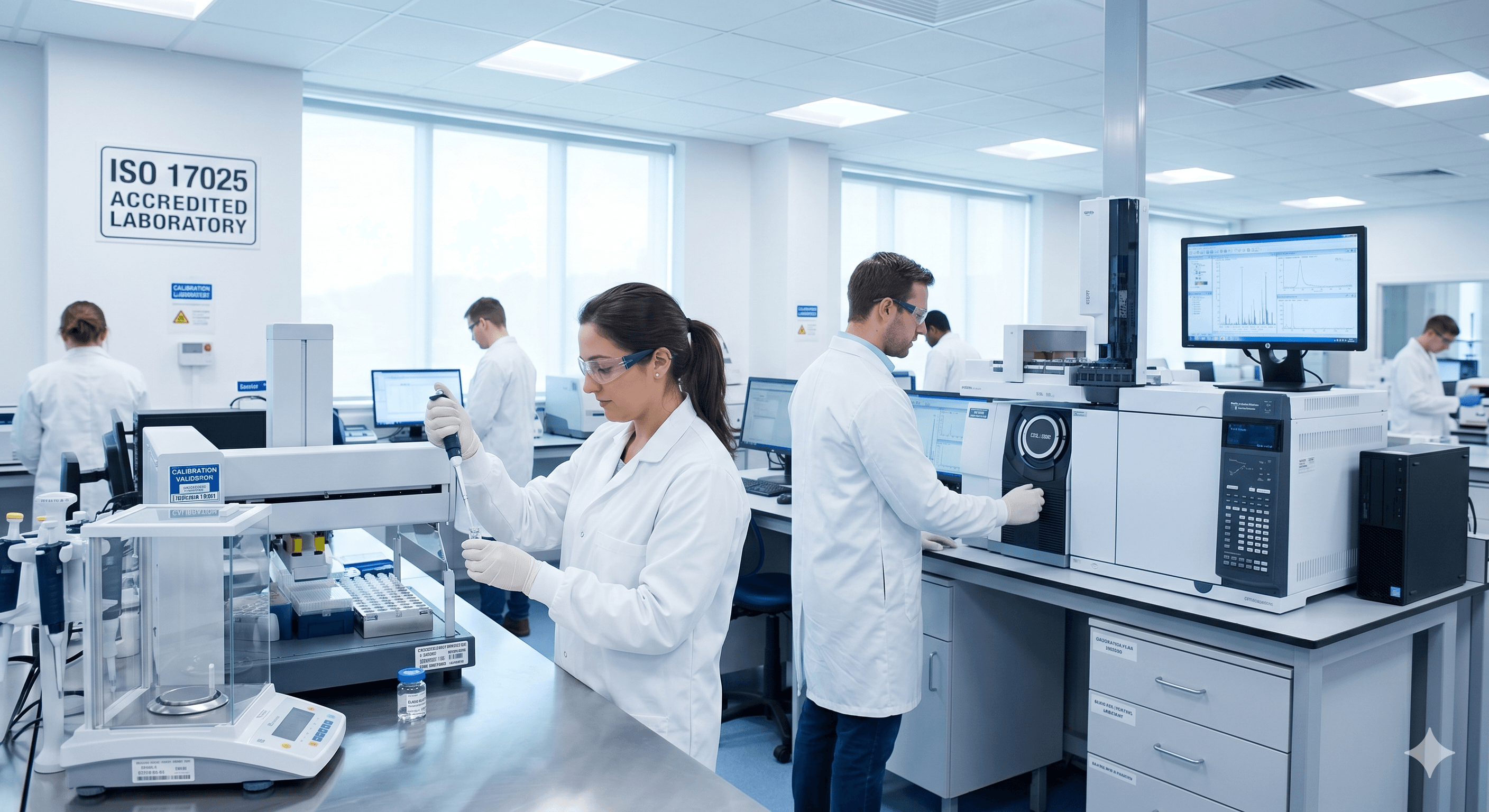
Testing laboratory
Testing laboratory
Food analysis
Food analysis
Water analysis
Water analysis
Consulting
Consulting
Clear deliverables
Roadmap, document set, audit outputs, and action tracking.
Field-focused approach
Not just theory: practical processes and disciplined records.
One integrated scope
Software, consulting, and training work together.

Services

We can proceed with a single service or a package based on your laboratory's needs.

ISO 17025 Software
Documents, records, internal audits, CAPA tracking, and reporting in one place.
Implementation Consulting
Practical setup support for ISO/IEC 17025 processes and audit readiness.
Documentation
Document hierarchy, templates, revision control, and publication discipline.
Internal Audit
Planning, findings, corrective actions, and closure verification.

Software

Software screens and module overview for food and water microbiology, environmental samples, and ISO/IEC 17025 quality workflows.

Main dashboard

All screenshots are available on the Software page.

Request a quick quote
Send a short request and I will get back to you as soon as possible.